10 Condiments That'll Make You Forget Ketchup Ever Existed
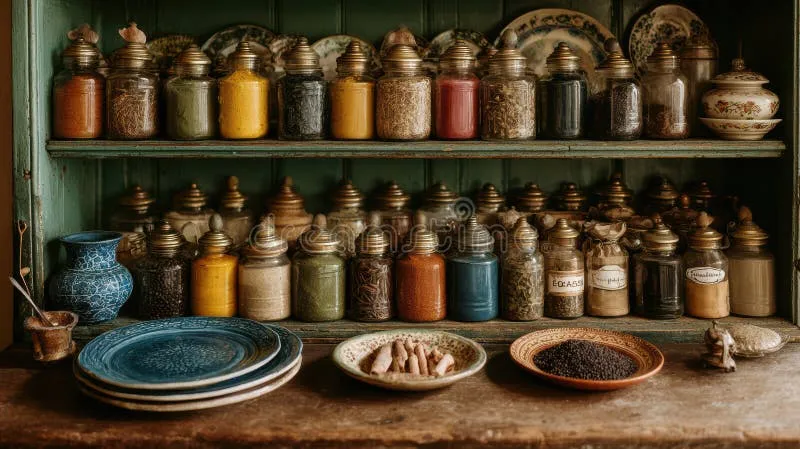
Photo: artisanal condiment jars and sauce bottles arranged on rustic wooden shelf in kitchen, via thumbs.dreamstime.com
There's nothing wrong with ketchup. It's a classic for a reason. But if you're the kind of home cook who actually cares about what's happening on your plate — who thinks about acid balance, fat coating, and layering heat — then you've probably already outgrown the squeeze bottle.
The world of artisanal condiments is enormous, genuinely exciting, and more accessible than ever. At Sauce Gardner, we spend a lot of time thinking about which sauces separate competent cooking from truly memorable cooking. These ten condiments are the ones that keep coming up. Learn them, stock them, and your weeknight dinners will never be the same.
1. Calabrian Chili Paste
Origin: Calabria, southern Italy
Think of this as the spicy, oily, deeply savory cousin of crushed red pepper flakes — except infinitely more interesting. Calabrian chilies are small, fruity, and carry a medium heat with a complexity that generic chili flakes simply can't match. The paste form, typically packed in olive oil, is intensely versatile.
Best uses: Stir a spoonful into mayo for a sandwich spread that'll stop people mid-bite. Swirl into pasta with butter and Parmesan. Dot over flatbreads before baking. Add to scrambled eggs.
Where to source it: Look for Tutto Calabria brand at specialty Italian markets or online. A small jar goes a long way.
2. Amba (Pickled Mango Sauce)
Origin: Iraqi-Jewish culinary tradition, widely beloved across the Middle East
Amba is a tangy, turmeric-laced pickled mango condiment that's been a staple of Israeli street food for decades but has only recently started turning up in American specialty stores and food halls. It's sweet, sour, faintly funky, and absolutely addictive.
Best uses: Drizzle over falafel, grilled chicken, or roasted cauliflower. Use it as a dipping sauce for pita. Swirl into hummus. Mix with yogurt for a quick marinade.
Where to source it: Pereg and other Middle Eastern brands carry amba in jars. You can also find it at most Middle Eastern grocery stores across the US.
3. Romesco Sauce
Origin: Catalonia, Spain
Romesco is a roasted red pepper and almond sauce with a texture somewhere between a chunky spread and a thick dip. It's got smoke, sweetness, and a nuttiness that makes it wildly adaptable. Professional chefs have leaned on it for years; it's high time home cooks did the same.
Quick homemade version: Blend 2 roasted red peppers, ½ cup toasted almonds, 2 garlic cloves, 1 tablespoon sherry vinegar, a pinch of smoked paprika, and enough olive oil to bring it together. Season generously.
Best uses: Serve alongside grilled asparagus, slather onto grilled fish, or use as a base for roasted chicken sandwiches.
4. Yuzu Kosho
Origin: Kyushu region of Japan
Yuzu kosho is a Japanese condiment made from fermented yuzu citrus zest and chili peppers — and it punches way above its weight. A small amount delivers a bright, floral heat that's unlike anything else in the condiment world. It comes in green (made with green chilies) or red (made with red chilies), each with a slightly different flavor profile.
Best uses: A tiny smear on grilled steak or seared scallops. Stir into butter for a finishing sauce on roasted corn. Mix with olive oil for a quick marinade on shrimp.
Where to source it: Available at Japanese grocery stores like Mitsuwa or online through specialty retailers. A little goes a very long way.
5. Chermoula
Origin: North Africa (Morocco, Tunisia, Algeria)
Chermoula is a bright, herb-forward marinade and sauce built on cilantro, parsley, garlic, cumin, paprika, and lemon. It's deeply aromatic and works equally well as a marinade, a finishing sauce, or a condiment spooned straight from the bowl.
Quick homemade version: Blend 1 cup cilantro, ½ cup flat-leaf parsley, 4 garlic cloves, 1 teaspoon cumin, ½ teaspoon smoked paprika, juice of one lemon, and a generous pour of olive oil. Season with salt.
Best uses: Slather on whole fish before roasting. Spoon over grilled lamb chops. Use as a dipping sauce for warm bread.
6. XO Sauce
Origin: Hong Kong
XO sauce is luxurious, complex, and a little bit outrageous — and that's exactly the point. It's made from dried shrimp, dried scallops, cured ham, chili, and aromatics cooked low and slow in oil until everything caramelizes into a deeply savory, slightly spicy condiment. It's named after XO cognac because it signals the same premium quality.
Best uses: Toss with stir-fried noodles or rice. Spoon over steamed tofu. Stir into fried rice. Use as a finishing sauce on roasted mushrooms.
Where to source it: Lee Kum Kee makes a widely available version. For something more artisanal, check out specialty Asian grocery stores or small-batch producers online.
7. Salsa Macha
Origin: Veracruz, Mexico
If you've only been reaching for regular salsa, salsa macha is about to change your life. This oil-based Mexican condiment is made by toasting dried chilies (often mulato, ancho, or árbol) with garlic, nuts, and seeds, then blending everything with oil. It's smoky, nutty, and has a slow, satisfying heat.
Quick homemade version: Toast 4 dried árbol chilies and 2 ancho chilies in a dry pan, then blend with ½ cup olive oil, 3 garlic cloves, 2 tablespoons toasted sesame seeds, and 2 tablespoons toasted peanuts. Season with salt and a splash of apple cider vinegar.
Best uses: Drizzle over eggs, tacos, grilled corn, roasted sweet potatoes, or avocado toast.
8. Nduja
Origin: Calabria, Italy (yes, Calabria again — the region is on a roll)
Nduja (pronounced en-DOO-ya) is a spicy, spreadable pork salume that melts into whatever it touches, releasing a flood of fat, heat, and savory depth. It's technically a cured meat product, but in practice it behaves like a condiment — a spoonful transforms pasta, pizza, or a simple braise.
Best uses: Stir into tomato sauce for pasta. Spread on crostini with ricotta. Add to a white bean stew for smoky depth.
Where to source it: Specialty Italian delis and butcher shops carry nduja. Olympia Provisions and other American charcuterie producers have also started making excellent domestic versions.
9. Shio Koji
Origin: Japan
Shio koji is a mixture of salt, water, and koji (the mold used to ferment miso and sake) that acts as a natural flavor enhancer and tenderizer. It's not exactly a sauce in the traditional sense — it's more of a marinade vehicle — but the results it produces are spectacular.
Best uses: Rub onto chicken thighs 24 hours before cooking for incredibly juicy, deeply flavored meat. Use as a quick cure for salmon. Toss with vegetables before roasting.
Where to source it: Available at Japanese grocery stores and increasingly at Whole Foods. Rhapsody Natural Foods makes a domestic version.
10. Tamarind Concentrate
Origin: South Asia, Southeast Asia, Latin America
Tamarind is one of those ingredients that quietly anchors dozens of beloved dishes around the world — from pad thai to chutneys to Worcestershire sauce itself. The concentrate form is thick, intensely sour-sweet, and deeply complex. It's one of the most underused condiments in the American pantry.
Best uses: Whisk into marinades for pork or shrimp. Stir into BBQ sauce for a more interesting depth. Blend with ginger, garlic, and brown sugar for a quick dipping sauce.
Where to source it: Tamicon and Laxmi are reliable brands available at Indian grocery stores and online.
The Takeaway
Building a serious condiment shelf isn't about collecting bottles for the sake of it. It's about having the right tool for the right moment — the spoonful of salsa macha that makes a fried egg extraordinary, or the smear of yuzu kosho that turns a grilled piece of fish into something you'll talk about for days.
That's the whole philosophy behind Sauce Gardner. Every drop matters. Every sauce has a story. And the best cooking happens when you know which story to tell.