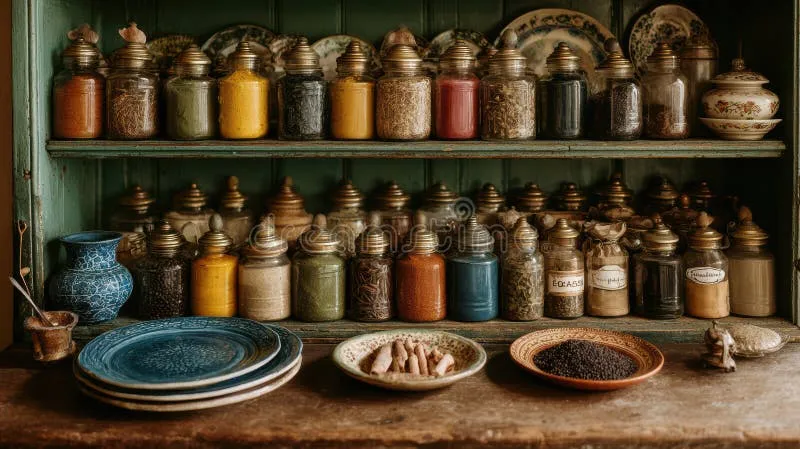
Funk, Fire, and Depth: Why Fermented Sauces Are the Secret Weapon in American Home Kitchens
Something interesting is happening in American kitchens. Home cooks who once kept a bottle of soy sauce strictly for stir-fry night are now stocking shelves with gochujang, fish sauce, aged miso, and lacto-fermented hot sauces they made themselves. The fermentation wave — long celebrated in professional kitchens — has officially crossed over into the everyday home cooking conversation, and honestly, it was only a matter of time.
At Sauce Gardner, we've always believed that the right condiment doesn't just finish a dish — it transforms it. And nothing embodies that philosophy quite like a well-made fermented sauce. So let's dig into what's actually going on here: the science, the tradition, the health angle, and how you can start building your own fermented flavor arsenal at home.
What Makes Fermented Sauces So Incredibly Flavorful?
Let's start with the basics. Fermentation is, at its core, a process where microorganisms — bacteria, yeasts, or molds — break down sugars and proteins in food over time. That breakdown produces acids, alcohols, and a whole cascade of aromatic compounds that your taste buds read as complexity.
The flavor we're really chasing here is umami — that savory, almost meaty depth that makes you want to keep eating without quite being able to explain why. Umami comes largely from glutamates and nucleotides, and fermentation is one of the most efficient ways to concentrate them. When you spread aged miso onto a piece of salmon before broiling it, you're layering years' worth of microbial activity onto your dinner plate. That's not hyperbole — some miso pastes ferment for two to three years before they're ready.
Compare that to a fresh tomato sauce, which might simmer for 45 minutes. Both are delicious. But the fermented sauce carries a kind of flavor memory that you simply can't rush.
A Tradition That Spans Every Culture
Here's what's worth appreciating: fermented condiments aren't a trend. They're ancient. Korean cooks have been making doenjang (fermented soybean paste) for over a thousand years. Southeast Asian fish sauce — the kind that gives pad thai and Vietnamese pho their backbone — dates back centuries. Even classic Worcestershire sauce, a staple in American pantries since the 1800s, is a fermented product built on anchovies and tamarind.
What's new isn't the technique — it's the American home cook's willingness to lean into it. A generation raised on the Food Network and now hooked on cooking content across social media has developed an appetite for authenticity. People want to understand why a dish tastes the way it does. And fermentation gives you a pretty compelling answer.
The Health Side of the Story
Beyond flavor, there's a growing body of research suggesting that fermented foods support gut health through probiotics — live beneficial bacteria that survive the fermentation process. Products like raw apple cider vinegar, naturally fermented hot sauces, and unpasteurized miso retain these live cultures and may contribute to a healthier microbiome.
That said, it's worth noting that many commercially produced fermented sauces are pasteurized, which kills off the live cultures in exchange for a longer shelf life. If the probiotic angle matters to you, look for labels that say "raw," "unpasteurized," or "contains live cultures." Or better yet — make your own.
Your First Fermented Sauce: A Simple Lacto-Fermented Hot Sauce
If you've never fermented anything before, hot sauce is a fantastic starting point. The process is straightforward, the ingredients are cheap, and the payoff is enormous. Here's a basic framework to get you started.
What you'll need:
- 1 lb fresh chili peppers (jalapeños, serranos, or a mix)
- 3–4 garlic cloves
- 1 tablespoon non-iodized salt per cup of water (for your brine)
- A clean mason jar
- Filtered or non-chlorinated water
The process:
Roughly chop your peppers and garlic, then pack them into the mason jar. Dissolve your salt into the water to create a brine, then pour it over the peppers until they're fully submerged. Cover the jar loosely — you want gas to escape — and let it sit at room temperature for 5 to 14 days.
You'll start seeing bubbles within a day or two. That's your fermentation at work. Taste the peppers periodically. When they've hit a level of tangy, funky depth you're happy with, blend the whole mixture (peppers, garlic, and some of the brine) until smooth. Add a splash of apple cider vinegar to finish, adjust salt, and you've got a genuinely artisanal hot sauce.
The flavor difference between this and a fresh-blended salsa is striking. It's rounder, more complex, and has a kind of linger that fresh sauces just don't deliver.
Beyond Hot Sauce: Other Fermented Flavors Worth Exploring
Once you've caught the fermentation bug, there's a whole world to explore:
White miso is the most approachable entry point into the miso family — lightly sweet, mildly salty, and fermented for a relatively short period. Whisk it into butter for a compound sauce, stir it into salad dressings, or thin it with dashi for a quick glaze on roasted vegetables.
Gochujang — Korean fermented chili paste — brings heat, sweetness, and serious depth in a single spoonful. It's become something of a darling in American food media, and for good reason. A tablespoon stirred into a burger sauce or brushed onto grilled chicken thighs is genuinely revelatory.
Fish sauce, when used with a light hand, functions less like a fishy ingredient and more like a pure umami amplifier. A few drops in a pasta sauce, a vinaigrette, or even a Bloody Mary adds a savory undertone that most people can't identify but everyone appreciates.
Building a Fermented Pantry, One Jar at a Time
You don't need to overhaul your entire pantry overnight. Start with one or two fermented condiments and really get to know them — how they behave with heat, how they pair with different proteins, how a little goes a long way. Then expand.
At Sauce Gardner, we think of condiments as a craft. Every bottle, every jar, every homemade batch is an opportunity to add intention to your cooking. Fermented sauces just happen to be one of the most rewarding places to start that journey.
The microbes have been doing this work for thousands of years. All you have to do is let them.