Five Sauce Traditions From Around the World That Are Changing How Americans Cook
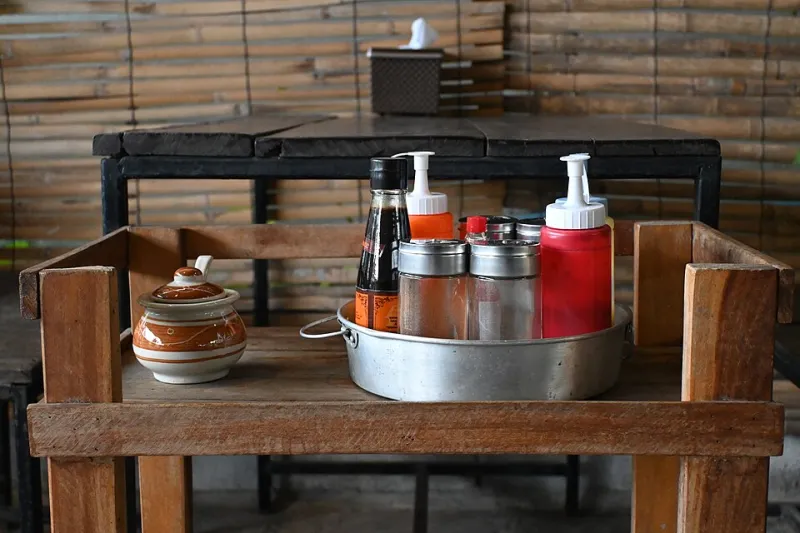
Photo: PattayaPatrol, CC BY-SA 4.0, via Wikimedia Commons
Something interesting is happening in American kitchens. The pantry that once held ketchup, mustard, and maybe a bottle of Worcestershire is now making room for fish sauce, doenjang, tamarind paste, and calabrian chili oil. Grocery stores that used to dedicate half an aisle to condiments now stock entire international sections. And home cooks — emboldened by cooking shows, food social media, and a genuine hunger for more complex flavor — are reaching for ingredients that would have seemed exotic a decade ago.
This isn't fusion for fusion's sake. It's something more organic: a slow, enthusiastic cross-pollination of sauce traditions that's genuinely improving the way Americans eat at home. Let's dig into five of the most influential global sauce lineages making their way onto American dinner tables — and how you can actually use them.
Japan: Umami in Its Purest Form
Japanese condiment culture is built on patience and restraint, which is part of what makes it so transferable. Soy sauce, miso, mirin, and ponzu aren't just ingredients — they're flavor delivery systems that have been refined over centuries to maximize savory depth without shouting.
The concept of umami, that fifth taste associated with glutamates and nucleotides, is practically native to Japanese sauces. A splash of soy sauce in a pan sauce adds a savory backbone that salt alone can't replicate. Miso stirred into a butter sauce for roasted vegetables adds fermented complexity that makes people ask what your secret is.
Try this: Whisk together two tablespoons of white miso, one tablespoon of rice wine vinegar, a teaspoon of sesame oil, and a teaspoon of honey. Thin with a little warm water. You've got a dressing that works on grain bowls, grilled chicken, cucumber salads, and roasted sweet potato. It takes four minutes and it'll become a weekly staple.
Korea: Fermented Fire and Layered Heat
Korean cuisine has a fundamentally different relationship with spice than, say, a Louisiana hot sauce tradition. The heat in Korean cooking tends to be layered with fermentation, sweetness, and funk — which is why gochujang, the fermented chili paste that's become a mainstream American ingredient, hits so differently than straight hot sauce.
Gochujang is made from red chili peppers, fermented soybeans, glutinous rice, and salt, and it's aged in clay pots. The result is a paste that brings heat, yes, but also a deep, almost chocolate-like savoriness. It's the kind of ingredient that makes a simple dipping sauce feel like something you slow-built over days.
Doenjang, Korea's fermented soybean paste, works similarly — earthier and more pungent than Japanese miso, it's incredible as a base for stews or stirred into butter for a finishing sauce on grilled meats.
Try this: Combine two tablespoons of gochujang, one tablespoon of soy sauce, one tablespoon of honey, a teaspoon of sesame oil, and a minced garlic clove. This is your new all-purpose Korean-style glaze. Brush it on salmon before broiling, toss it with roasted cauliflower, or use it as a dipping sauce for dumplings. It freezes well in small portions.
Thailand: The Art of Balance
Thai cuisine is often described through the lens of balance — sweet, sour, salty, spicy, and savory, all present and accounted for in a single dish. Thai sauce-making reflects this philosophy in a way that home cooks can learn a lot from.
Fish sauce is the anchor. It's funky, salty, and deeply savory, and when it's combined with lime juice and a little sugar, it becomes nam pla prik, one of the most useful condiments you can have in your fridge. Thai sweet chili sauce, tamarind-based dipping sauces, and peanut sauces built with coconut milk round out a tradition that's equal parts complex and remarkably intuitive once you understand the balance principle.
What makes Thai sauces so adaptable for American home cooking is how well they work as finishing elements. You don't necessarily need to build an entire Thai dish — a spoonful of fish sauce-based sauce can rescue a flat stir-fry or turn a plain bowl of rice noodles into something memorable.
Try this: In a small jar, combine three tablespoons of fish sauce, two tablespoons of fresh lime juice, one tablespoon of sugar, one thinly sliced Thai chili (or half a serrano if that's what you have), and a minced garlic clove. Shake until the sugar dissolves. This is your foundational Thai dipping sauce — use it on spring rolls, grilled shrimp, or drizzled over a simple cucumber salad.
Mexico: Brightness, Smoke, and Ancient Technique
Mexican sauce traditions are staggeringly diverse, spanning from the fresh, herb-driven salsas of the coasts to the complex dried-chili moles of Oaxaca and Puebla. What unites them is a commitment to building flavor through technique — charring, toasting, grinding — rather than just layering ingredients.
Salsa verde, made with tomatillos, serrano or jalapeño peppers, onion, garlic, and cilantro, is one of the most versatile sauces in the Mexican canon. It's bright and acidic when raw, richer and smokier when the tomatillos are charred under the broiler. Adobo sauces, built from rehydrated dried chilies like anchos and chipotles, bring a smoky, earthy complexity that works beautifully on braised meats, roasted vegetables, and even as a pizza sauce alternative.
The American embrace of Mexican sauces has gone far beyond salsa in a jar, which is genuinely exciting. More home cooks are toasting dried chilies, blending their own salsas, and experimenting with mole as a weekend project.
Try this: Broil six tomatillos, half a white onion (cut into wedges), two unpeeled garlic cloves, and two serranos until charred in spots, about eight minutes. Blend with a big handful of cilantro, a squeeze of lime, and salt to taste. You've got a fire-roasted salsa verde that's a completely different animal from anything that comes in a jar.
Italy: The Slow Sauce as an Act of Love
Italian condiment tradition operates on a different timeline than the others on this list. The great Italian sauces — a proper Sunday ragù, a hand-crushed pomarola, a pesto made with a mortar and pestle rather than a blender — are built around the idea that time and quality ingredients are the two most important tools in the kitchen.
What's influencing American cooking most right now is the Italian approach to finishing sauces and pantry condiments: agrodolce (sweet-sour reductions), salsa verde (the Italian herb-caper version, distinct from the Mexican one), and the growing appreciation for quality olive oil as a sauce in its own right. Calabrian chili oil has become a genuine American pantry staple, showing up in everything from pasta to pizza to grain bowls.
Try this: Blend together two cups of fresh basil, a handful of flat-leaf parsley, two tablespoons of capers (rinsed), one anchovy fillet, a garlic clove, a splash of red wine vinegar, and enough good olive oil to bring it together. Season with salt and pepper. This Italian salsa verde is extraordinary on grilled steak, roasted lamb, or spooned over soft-boiled eggs on toast.
What All Five Have in Common
Look across these traditions and a pattern emerges: the world's most enduring sauces are built on fermentation, acid, fat, and time. They reflect local ingredients and historical ingenuity. And they're almost universally more complex than anything that comes from a squeeze bottle.
The best thing about bringing these traditions into your American kitchen isn't just the flavor payoff — it's the education. Every time you make a miso dressing or a gochujang glaze, you're learning something about balance, about restraint, about how a handful of ingredients can do extraordinary things when they're combined with intention.
That's exactly what cooking with great sauce is supposed to feel like.