Vinegar Isn't Just for Pickles: The Real Reason Acid Makes Every Sauce Taste Better

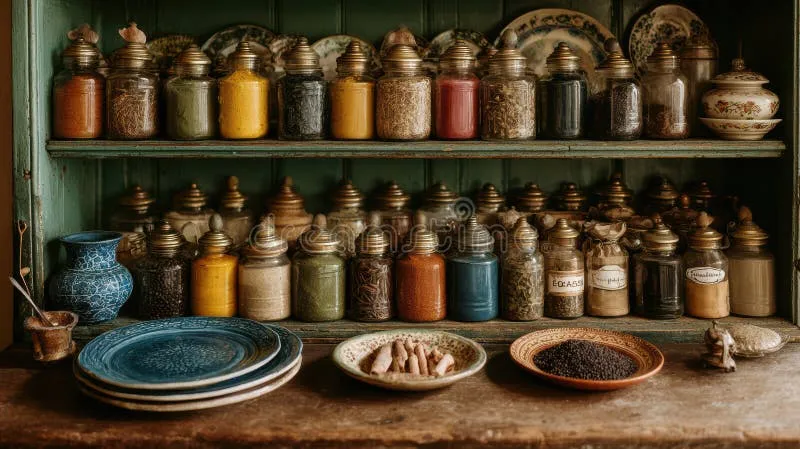
Photo by Photo by Andrea Davis on Unsplash on Unsplash
There's a moment every home cook knows. You taste your sauce, and something's just... off. It's not bland exactly. It's not too salty. It's more like the flavors are sitting flat, like they haven't woken up yet. You add more seasoning. Maybe a pinch of sugar. Still not quite right.
Nine times out of ten, what that sauce needs is acid.
Acid — specifically the kind that lives inside a bottle of good vinegar — is one of the most underused tools in the home kitchen. Chefs lean on it constantly, almost reflexively, the way a musician reaches for a tuning peg. A splash here, a drizzle there, and suddenly everything clicks into place. But for most of us cooking at home, vinegar still feels like a specialty ingredient, something you reach for when a recipe specifically calls for it.
That's a shame. Because once you understand what acid actually does to flavor, you'll start treating your vinegar collection the same way you treat your salt.
What Acid Actually Does to Your Taste Buds
Here's the thing about human taste perception: we don't experience flavors in isolation. Sweet, salty, bitter, umami — they're all in constant conversation with each other. And acid acts like a moderator in that conversation.
When you add a small amount of acid to a sauce, it suppresses bitterness, amplifies brightness, and gives your palate a kind of contrast that makes other flavors seem more vivid. Think about how a squeeze of lemon transforms a bowl of pasta or makes a rich butter sauce suddenly feel lighter. The fat hasn't changed. The seasoning hasn't changed. But the acid has shifted your perception of everything else on the plate.
This is what chefs call "lifting" a dish. And vinegar is one of the most reliable ways to do it in a sauce.
Not All Vinegars Are the Same Animal
Walk through the vinegar aisle at any decent grocery store and you'll find a lineup that can feel a little overwhelming. But each type brings something genuinely different to the table, and knowing which one to reach for is half the battle.
Distilled White Vinegar is the sharpest, most aggressive option. It's clean, almost neutral in flavor beyond its acidity, which makes it a workhorse for hot sauces and anything where you want a pure, bright punch without adding other flavor notes. It's the backbone of most classic American hot sauces for exactly this reason.
Apple Cider Vinegar has a mild fruitiness and a slightly softer edge. It plays beautifully in BBQ sauces, Carolina-style mops, and anything with a sweet-savory balance. It adds complexity without being loud about it — a team player more than a soloist.
Red and White Wine Vinegars carry the herbal, slightly tannic character of the grapes they came from. Red wine vinegar suits heartier, meat-based sauces and anything with tomato. White wine vinegar is more delicate, perfect for vinaigrettes, cream sauces, and lighter condiments where you want brightness without weight.
Rice Vinegar is the mildest of the bunch — sweet, gentle, and almost shy. It's ideal when you want just a whisper of acidity, particularly in Asian-inspired sauces, dipping condiments, or anywhere you don't want vinegar to announce itself.
Balsamic Vinegar is its own category entirely. Thick, sweet, complex, and deeply savory, it adds acidity alongside a whole suite of other flavors. Use it as a finishing element in reductions and glazes rather than a background acid.
Timing Matters More Than You Think
One of the biggest mistakes home cooks make with acid is adding it at the wrong point in the cooking process. Vinegar is volatile — heat drives off a lot of its sharp edge, which can be useful or wasteful depending on what you're going for.
If you add vinegar early in a long simmer, you'll mellow it out significantly. The acidity integrates into the sauce and becomes part of its backbone rather than a distinct flavor. This works well in slow-cooked BBQ sauces and braises where you want balance without brightness.
But if you're after that fresh, lively pop — the kind that makes a sauce taste alive — you want to add your acid at the end, after the heat is off or nearly off. Even a teaspoon of apple cider vinegar stirred into a pan sauce right before serving can completely transform how it tastes.
A good rule of thumb: taste your sauce before you add any acid. Then add a small amount, stir, and taste again after about 30 seconds. The change should feel like the sauce just came into focus.
How Much Is Too Much?
Acid is powerful, and overdoing it is a real risk. The goal isn't to make your sauce taste like vinegar — it's to use acidity as a background force that makes everything else taste more like itself.
Start with small amounts. For a sauce that serves four, try a half teaspoon of vinegar first. Taste. Add more only if needed. You're looking for a point where the flavors seem brighter and more defined without any detectable sourness. When you can taste the vinegar itself, you've gone too far.
If you do overshoot, a small amount of fat (butter, olive oil) or a pinch of sugar can help dial things back. But it's much easier to add than to subtract, so patience pays off here.
Building Your Acid Intuition
The best way to develop a feel for this is to start experimenting with sauces you already make regularly. Take your go-to tomato sauce or your favorite BBQ base and try finishing it with a small splash of vinegar — just enough to taste the difference. Compare it to a batch without. You'll start to notice the shift pretty quickly.
Over time, you'll develop the same instinct that professional cooks have: a sauce that tastes flat gets acid. A sauce that tastes muddy gets acid. A sauce that's almost there but not quite — it probably just needs a little acid.
At Sauce Gardner, we think about this stuff constantly. Every product we craft is built around balance, and acid is one of the most important levers in that process. Understanding it at home changes the way you cook — not just sauces, but everything. Once you start tasting for brightness, you'll find yourself reaching for the vinegar bottle in places you never expected.