Stop Serving It on the Side: 7 Ways to Cook With Sauce as Your Star Ingredient
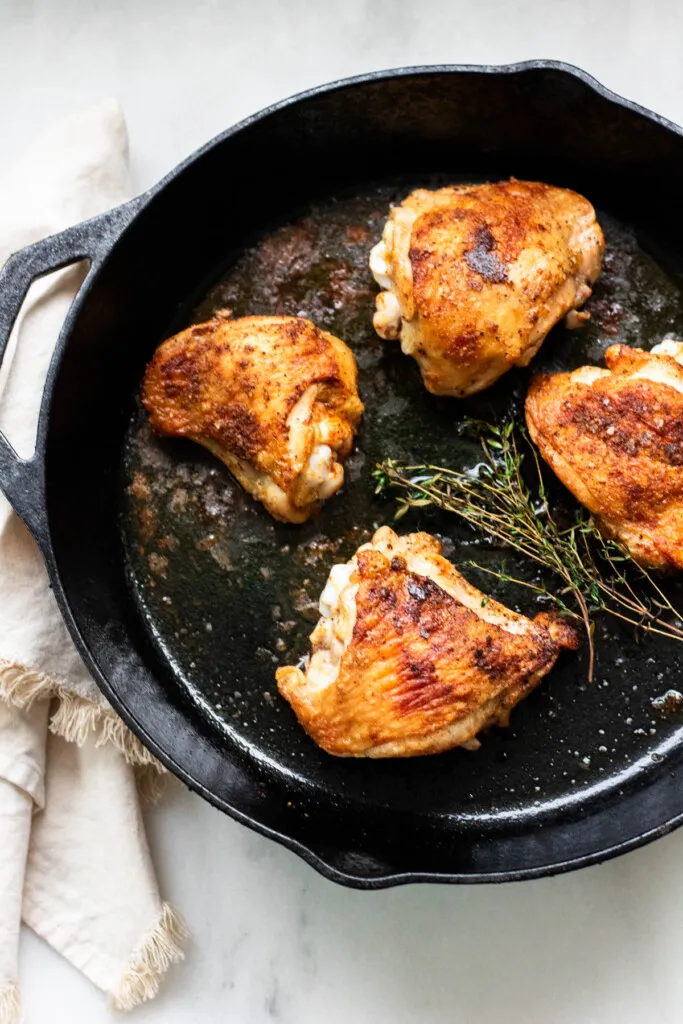
Photo: chef glazing chicken with artisan sauce in cast iron skillet, via abraskitchen.com
Most of us treat sauce like punctuation. The meal is the sentence, and the sauce is the period at the end — a finishing touch, an afterthought, something you pass around the table. But what if the sauce was the sentence?
Some of the best cooking happens when a great sauce stops being a condiment and starts being an ingredient. A foundation. A cooking medium. The thing that gives a dish its whole identity. Professional cooks do this all the time, and it's one of the most accessible ways to get serious flavor out of a weeknight dinner without a lot of extra effort.
Here are seven techniques worth having in your back pocket.
1. The Glaze-Finish Method
Technique: Apply sauce during the final minutes of cooking to create a lacquered, caramelized crust.
This one works especially well on proteins — chicken thighs, pork ribs, salmon fillets, even firm tofu. The idea is simple: cook your protein most of the way through using your preferred method (roasting, grilling, pan-searing), then brush on a layer of sauce in the last five to eight minutes of heat. The sugars in the sauce caramelize against the surface, creating a sticky, slightly charred crust that's packed with concentrated flavor.
The key is restraint. One thin layer, let it set, then another thin layer. Too much sauce at once and it steams instead of caramelizes. Fermented hot sauces and fruit-forward BBQ sauces work particularly well here because the natural sugars and complex acids react beautifully under high heat.
Recipe direction: Brush a tangy peach hot sauce onto bone-in chicken thighs during the last 6 minutes of a 425°F roast. Finish under the broiler for 90 seconds.
2. Building a Pan Sauce From Scratch
Technique: Use sauce as the liquid base when deglazing a hot pan.
After you sear a steak or sauté some mushrooms, your pan is coated in browned, stuck-on bits that are basically pure flavor. Deglazing — adding liquid and scraping those bits up — is how you turn that into a sauce. Most recipes tell you to use wine or stock. But try using a small amount of your favorite artisanal sauce thinned with a splash of broth.
The result is a pan sauce that already has complexity, depth, and seasoning built in. Add a knob of butter at the end to pull it together, and you've got something that tastes like it took an hour in about four minutes.
Recipe direction: Deglaze a cast iron skillet with 3 tablespoons of a smoky chipotle sauce and ¼ cup beef broth after searing a ribeye. Reduce by half, finish with cold butter.
3. Sauce-Based Marinades
Technique: Thin your sauce with an acidic liquid to create a marinade that tenderizes and flavors simultaneously.
A good sauce already has most of what a marinade needs — acid, salt, aromatics, and flavor complexity. The trick is adjusting the consistency so it can actually penetrate the surface of the protein. A 2:1 ratio of sauce to something acidic (citrus juice, vinegar, wine) usually does the trick.
Marinate for at least two hours in the fridge, and don't discard what's left — reduce it in a small saucepan and use it as a basting liquid or finishing drizzle.
Recipe direction: Combine ½ cup of a fermented garlic hot sauce with the juice of two limes and a tablespoon of olive oil. Marinate skirt steak for 4 hours before grilling.
4. The Braising Liquid Swap
Technique: Replace part of the braising liquid with sauce for low-and-slow cooking.
Braising is one of the most forgiving techniques in the kitchen, and it's also one of the best ways to let a sauce really sink into a piece of meat. Swap out a third to half of your usual braising liquid (stock, beer, wine) with a sauce that has complementary flavors. As the braise cooks down over two or three hours, the sauce reduces and concentrates, coating every fiber of the protein.
This works brilliantly with pork shoulder, short ribs, chicken legs, and lamb shanks. The sauce becomes something entirely new by the end — deeper, richer, and almost unrecognizable from what went into the pot.
Recipe direction: Braise pork shoulder in 1 cup chicken stock, ½ cup apple cider, and ½ cup of a vinegar-forward Carolina-style sauce at 325°F for 3.5 hours.
5. Sauce as a Baking Ingredient
Technique: Incorporate savory or sweet sauces into doughs and batters for unexpected depth.
This one surprises people, but it works. A few tablespoons of a fruit-based hot sauce or a sweet-heat condiment can add real complexity to cornbread, quick breads, or even savory muffins. The heat mellows completely in the oven, but the underlying fruit, smoke, or fermented notes stay behind.
Sriracha-spiked cornbread has been a thing for years. But try a mango-habanero sauce in a batch of honey cornbread, or a smoked tomato sauce folded into a savory scone dough. The sauce adds moisture, flavor, and a subtle intrigue that's hard to pin down.
Recipe direction: Add 3 tablespoons of a mango-habanero sauce to your standard cornbread batter in place of one tablespoon of honey. Bake as directed.
6. The Sauce-Poached Egg
Technique: Gently poach eggs directly in a simmering, thinned sauce.
If you've ever made shakshuka, you already know this technique. But it applies far beyond tomato sauce. Any sauce with enough liquid body — a tomatillo salsa verde, a fermented red pepper sauce, even a coconut curry base — can serve as the poaching medium for eggs. The whites absorb the surrounding flavors, and the yolk becomes a rich, runny sauce within a sauce when you break it.
Thin your sauce slightly with water or stock so it simmers rather than scorches, make small wells with a spoon, and crack your eggs directly in. Cover and cook on low until the whites are just set.
Recipe direction: Simmer a fermented green hot sauce thinned with ¼ cup water in a skillet. Crack in 4 eggs, cover, and cook 4–5 minutes. Serve over warm tortillas.
7. Sauce-Dressed Grains and Legumes
Technique: Toss warm grains or beans with sauce while they're still hot so they absorb maximum flavor.
Farro, lentils, white beans, brown rice, chickpeas — these are all blank canvases that take on the character of whatever you dress them with. The trick is to add your sauce while the grains or legumes are still steaming hot. Hot starches are thirsty; they'll pull the sauce in and hold onto it in a way that cold or room-temperature grains simply won't.
A couple tablespoons of a deeply savory, fermented sauce stirred into a bowl of lentils transforms a side dish into something you'd genuinely want to eat on its own.
Recipe direction: Toss 2 cups of freshly cooked farro with 2 tablespoons of a tangy fermented black garlic sauce, a handful of arugula, and shaved Parmesan.
The common thread through all of these techniques is respect — treating your sauce like it has something real to contribute beyond a dipping function. At Sauce Gardner, every sauce we make is built with this kind of cooking in mind. Complexity that holds up under heat. Balance that doesn't fall apart when you push it. Flavor that's worth building a whole dish around.
So next time you reach for that bottle, think about where it could go instead of where it usually ends up.