Your Sauce Is Missing Its Fifth Gear: A Home Cook's Guide to Unlocking Umami
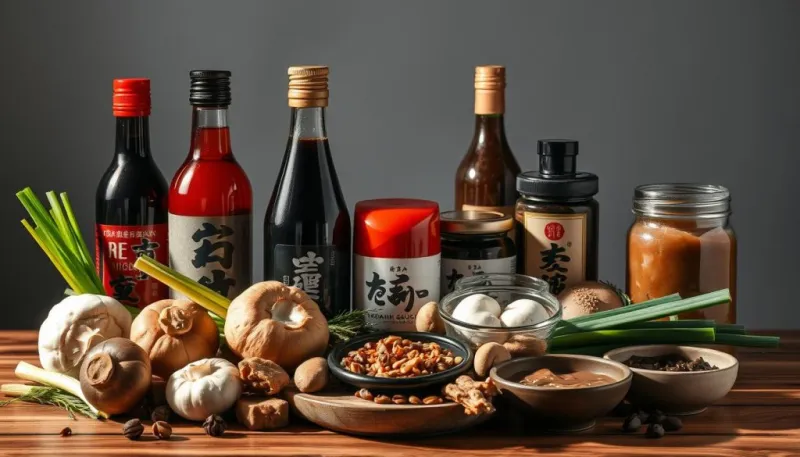
Photo: umami ingredients miso soy sauce mushroom powder pantry flat lay, via cookwareninja.com
You follow the recipe. You taste as you go. You season with salt, hit it with acid, maybe even finish with a knob of butter. And still — something's off. The sauce sits flat on your tongue, pleasant enough but forgettable. You add more salt. Still flat. You squeeze in more lemon. Closer, but not quite right.
Here's what nobody told you: you're probably missing umami.
It's not a trend or a buzzword. Umami is a legitimate fifth taste — as real as sweet, sour, salty, and bitter — and once you understand how to work with it intentionally, your sauces will never taste incomplete again.
What Umami Actually Is (And Why It Matters in a Sauce)
Umami is a Japanese word that roughly translates to "pleasant savory taste." Scientists identified it as a distinct taste receptor response in the early 1900s, though it took most of the Western culinary world until the past couple of decades to fully embrace it. The compound primarily responsible is glutamate — specifically free glutamate, which is glutamate that's been released from proteins through processes like fermentation, aging, cooking, or drying.
When your sauce hits that glutamate sweet spot, something remarkable happens: your brain registers depth, richness, and a lingering quality that makes you want another bite. It's the difference between a marinara that tastes like cooked tomatoes and one that tastes like Sunday dinner at an Italian grandmother's house.
The good news? You don't need a chemistry lab. You just need to know which ingredients are glutamate bombs — and how to use them together.
The Pantry Lineup: Ingredients That Pull Serious Umami Weight
Soy Sauce and Tamari Few ingredients deliver as much umami per tablespoon as a well-made soy sauce. The fermentation process breaks down soy proteins into free glutamates, which is why even a small splash can dramatically shift the flavor of a sauce. Add it to pan sauces, barbecue bases, or even vinaigrettes. You don't need to taste the soy — you just need what it does.
Tomato Paste Concentrated tomato paste is one of the most underused umami tools in the American kitchen. Fresh tomatoes contain glutamate, but cooking them down concentrates it significantly. Take it a step further by caramelizing tomato paste in a dry pan or with a little oil before adding liquid — the Maillard reaction kicks in and deepens the flavor even more.
Miso Miso paste is fermented soybean magic. White miso (shiro) is mild and slightly sweet, making it an easy addition to cream sauces, butter-based finishing sauces, or even mayo-based condiments. Red miso packs a more aggressive, funky punch that works beautifully in braises and bold dipping sauces. Start with a teaspoon and taste before adding more.
Worcestershire Sauce This one's been sitting in American refrigerator doors for generations, and it deserves more respect. Worcestershire contains fermented anchovies, tamarind, molasses, and vinegar — a stacked combination of umami sources that adds complexity without any single flavor dominating. It's a classic for a reason.
Mushroom Powder Dried mushrooms, especially porcini and shiitake, are glutamate-dense. Grinding them into a fine powder gives you an easy, shelf-stable umami booster you can stir directly into sauces, rubs, or compound butters. A tablespoon in a beef-based sauce will make people ask what your secret ingredient is.
Aged Cheeses Parmesan rind simmered in a tomato sauce. A spoonful of finely grated Pecorino stirred into a pan sauce. Aged cheeses are loaded with free glutamates thanks to the long curing process. Even if you're not making an Italian dish, a small amount of aged hard cheese can quietly amplify the savory depth of a sauce without making it taste cheesy.
Anchovy Paste Anchovy-averse home cooks, hear us out. A half-teaspoon of anchovy paste dissolved into olive oil at the start of a sauce won't make anything taste fishy — it'll just make the whole thing taste more like itself, only better. Anchovies are one of the most concentrated sources of free glutamates you can find, and they dissolve completely when cooked.
The Synergy Secret: Stacking Umami Sources
Here's where things get genuinely exciting. Glutamate isn't the only umami compound. There are also nucleotides — specifically inosinate and guanylate — found in ingredients like meat, dried fish, and dried mushrooms. When you combine glutamate-rich ingredients with nucleotide-rich ones, the umami effect doesn't just add up. It multiplies.
This is why a sauce made with tomato paste and a splash of Worcestershire and mushroom powder tastes so dramatically more complex than any one of those ingredients alone. You're not just stacking flavors — you're triggering a synergistic response on the palate.
Try this combination the next time you make a red sauce: caramelize tomato paste, add a splash of soy sauce and Worcestershire, finish with grated Parmesan. That's four umami sources working together, and the result will stop you in your tracks.
A Note on MSG: The Most Misunderstood Ingredient in Your Pantry
MSG — monosodium glutamate — is pure free glutamate in crystalline form. It's the same compound found naturally in all those ingredients above, just isolated and concentrated. And despite decades of unfounded health concerns (which have been thoroughly debunked by the FDA and multiple independent studies), MSG is safe, effective, and genuinely useful.
A pinch of MSG in a sauce can accomplish in seconds what you'd otherwise need twenty minutes of reduction to achieve. Use it like you'd use salt — sparingly, and as a seasoning tool rather than a crutch. Many professional chefs keep it on their prep line, and there's no reason you shouldn't have it in your pantry too.
Building Umami Into Your Sauce Routine
You don't need to overhaul your approach to cooking. Start small: keep a jar of mushroom powder next to your salt. Add a splash of soy sauce to your next gravy. Stir a spoonful of miso into your next compound butter. Each adjustment is minor, but the cumulative effect on your finished sauces will be significant.
The goal isn't to make everything taste savory or to chase some single flavor note. Umami works best as a foundation — the thing that makes every other flavor in your sauce land harder and linger longer. Think of it as turning up the resolution on a photograph. The image was always there. Umami just makes it sharper.
Once you start cooking with umami intentionally, you'll wonder how you ever made sauces without it.