Cold, Dark, and Sealed: What Your Sauces Actually Need to Last
Let's be honest — most of us treat sauce storage like an afterthought. You grab a bottle, use what you need, and shove it back wherever it fits. Maybe in the fridge door. Maybe in that cabinet above the stove where it's always a little too warm. Maybe on the counter because it looks cool and you like having it out.
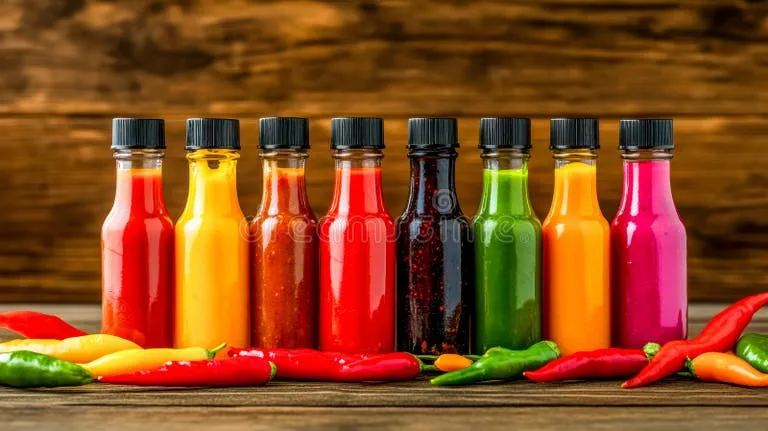
That last one? Guilty as charged. A beautiful bottle of aged balsamic or small-batch hot sauce absolutely deserves to be on display. But your sauce doesn't care how good it looks on the counter. It's quietly degrading every time the afternoon sun hits it.
Good sauce — the kind you actually invested in — deserves better than that. So let's break down what's really happening inside those bottles and what you can do about it.
The Three Enemies: Heat, Light, and Air
Every sauce has the same three enemies, and they work in combination. Heat speeds up oxidation and microbial activity. Light — especially UV light — breaks down color compounds, aromatic molecules, and certain antioxidants. Air introduces oxygen, which turns fats rancid and dulls bright flavors over time.
Restaurant kitchens manage these variables constantly, even if it doesn't look like it from the outside. High-volume operations cycle through product fast enough that storage conditions matter less. But they also use commercial refrigeration that holds a steady 38°F without the fluctuation your home fridge deals with every time someone leaves the door open for thirty seconds staring at leftovers.
For home cooks, those fluctuations add up. Every time your fridge warms slightly and cools back down, it creates condensation inside bottles that aren't fully sealed. That moisture is an invitation for spoilage, especially in fermented or vinegar-forward sauces where the pH balance is doing a lot of the preservation work.
Pantry vs. Fridge: It's Not One-Size-Fits-All
Here's where it gets more nuanced. Not every sauce needs refrigeration, and refrigerating some sauces can actually work against you.
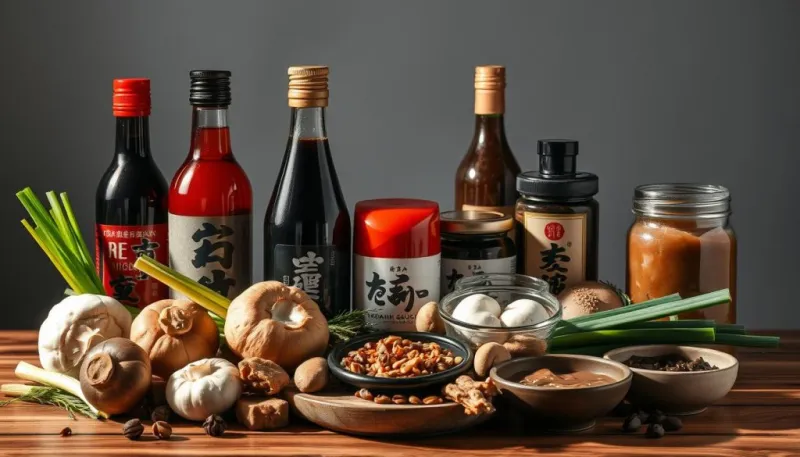
Pantry-friendly sauces tend to share a few traits: high acidity, high sugar content, or significant salt levels — sometimes all three. Classic hot sauces built on vinegar and chiles, shelf-stable soy sauces, fish sauce, and most commercial Worcestershire sauces fall into this category. Their chemistry makes them hostile to the bacteria that cause spoilage, so room temperature is genuinely fine before opening, and often after.
That said, "room temperature" is doing a lot of work in that sentence. A cool, dark pantry at 65°F is not the same as a cabinet next to your oven that hits 80°F every time you cook. If your kitchen runs warm — and most American kitchens do in the summer — the fridge is the safer call for anything you want to keep at peak quality past a few weeks.
Fridge-dependent sauces are usually the ones made with fresh ingredients, minimal processing, or lower acidity. Herb-based sauces like chimichurri or green goddess, anything with dairy or eggs, fresh salsa, and most homemade ferments need cold storage to stay safe and flavorful. These aren't just preference calls — they're food safety basics.
The tricky middle ground is where things get interesting. A lot of artisanal and small-batch condiments — think craft hot sauces, specialty mustards, or premium chili crisps — are shelf-stable by formulation but genuinely taste better when refrigerated after opening. The cold slows oxidation and keeps aromatic compounds from volatilizing. You're not preventing spoilage so much as preserving quality.
Container Materials Actually Matter
This one surprises people. The bottle your sauce lives in has a real effect on how long it stays at its best.
Glass is the gold standard for a reason. It's non-reactive, doesn't leach anything into the sauce, and creates a better seal than most plastic alternatives. Dark glass — amber or green — adds UV protection, which is why a lot of premium hot sauces and specialty condiments come in it. If you're decanting homemade sauces into storage containers, dark glass mason jars are a genuinely good investment.
Plastic is more complicated. Food-safe plastics are fine for short-term storage, but over time — especially with acidic sauces — there can be minor flavor transfer. More practically, plastic containers are harder to get truly airtight after repeated opening, which accelerates oxidation. For anything you're keeping longer than a month or two, glass is worth the switch.
Metal lids and caps are worth inspecting regularly. Acidic sauces — anything vinegar-heavy or citrus-forward — can slowly corrode standard metal lids from the inside. A corroded lid means a compromised seal, which means air exposure. If you're storing fermented hot sauce or a high-acid vinaigrette in a jar with a metal lid, consider adding a layer of plastic wrap under the lid as a barrier.
When Restaurant Logic Doesn't Apply at Home
Restaurant-grade storage sounds impressive, but it's worth being honest about what it actually means. Commercial kitchens have walk-in coolers that hold precise temperatures, high turnover that means nothing sits long enough to degrade, and prep schedules that don't leave half-used bottles sitting around for three weeks.
Home cooks don't have any of that. What we have instead is a need for practical systems that account for the way we actually cook — which is inconsistently, across a wide range of products, with long gaps between uses.
The most useful thing you can take from restaurant logic isn't the equipment. It's the habit of labeling and dating everything. A piece of masking tape and a marker on every jar you open or make from scratch will save you more sauce — and more money — than any specialized storage gadget. Knowing that your opened bottle of tamarind concentrate has been in the fridge for six weeks changes how you use it.
A Simple Storage Framework
If you want a practical system you'll actually stick to, here's how to think about it:
- Unopened shelf-stable sauces: Cool, dark pantry or cabinet away from heat sources. Check that lids are fully sealed before storing.
- Opened vinegar-based or high-acid sauces: Fridge preferred for quality, though many are technically shelf-stable. Use within 6 months for best flavor.
- Opened oil-based or fresh herb sauces: Always refrigerate. Use within 2–4 weeks.
- Homemade fermented sauces: Fridge after the active fermentation phase is complete. Label with the date you made it.
- Premium display bottles you use infrequently: Reconsider the display. Move them to the fridge and put something you use daily on the counter instead.
That last one stings a little, but it's the honest call. The beautiful bottle of aged chili paste you pull out twice a month will taste significantly better six months from now if it's been in the fridge rather than catching afternoon light on your open shelving.
The Investment Mindset
Good sauce costs real money. Specialty condiments, small-batch ferments, imported finishing sauces — these aren't impulse buys. Treating storage as part of the investment just makes sense.
The goal isn't to be precious about it. It's to make sure that the flavors you paid for — the complexity, the heat, the funk, the brightness — are still there when you reach for the bottle. Because a sauce that's faded or gone off isn't just a waste of money. It's a missed opportunity to make something genuinely great.