Five Specialty Sauce Ingredients Worth Every Penny (And a Few That Aren't)
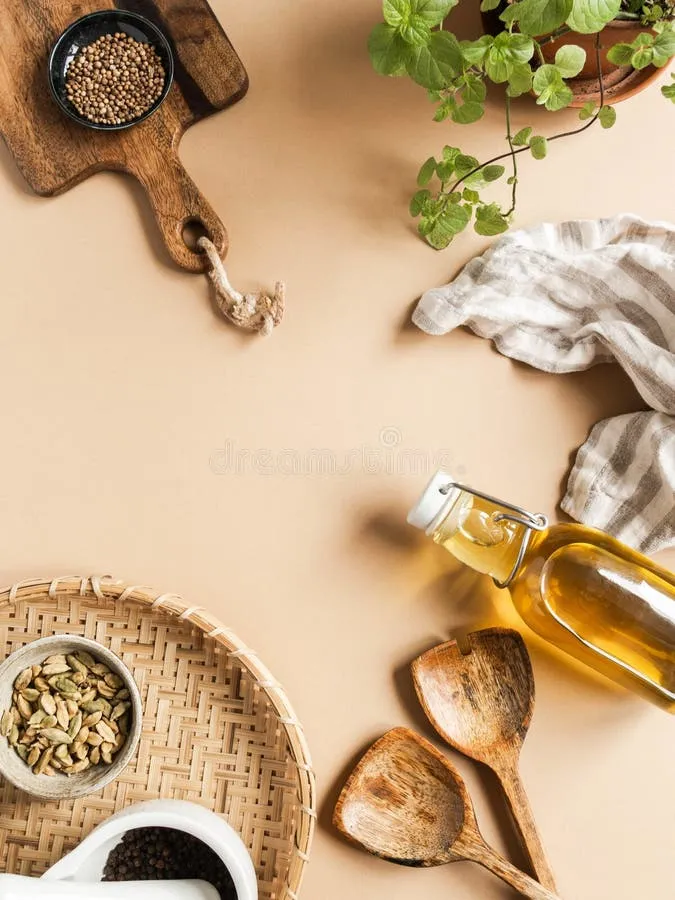
Photo: specialty pantry ingredients artisan condiments olive oil miso paste spices flat lay, via thumbs.dreamstime.com
Let's be honest. Most of us have a graveyard shelf somewhere in the pantry. A half-used jar of something exotic, a bottle of infused oil that smelled incredible at the farmers market, a tin of imported paste that seemed essential in the moment. Twelve months later, they're still there, quietly judging you every time you reach past them for the soy sauce.
Spending money on specialty sauce ingredients doesn't have to feel like a gamble. The difference between a smart pantry investment and an expensive mistake usually comes down to one question: how many different dishes can this thing actually improve? If the answer is three or more, you're probably looking at a keeper. If the answer is "just the one recipe I bought it for," you might want to pump the brakes.
Here's a practical breakdown of which premium ingredients genuinely earn their place in a sauce-focused kitchen — and a few that sound better than they perform.
White Miso Paste: The Quiet Workhorse
If you've only ever used miso in soup, you're leaving serious flavor on the table. White miso (shiro miso) is one of the most versatile sauce-building ingredients you can keep on hand. It's fermented, which means it delivers that deep savory backbone that makes a sauce feel finished rather than flat.
A tablespoon stirred into a butter pan sauce right before serving? Transforms it. Whisked into a salad dressing with rice vinegar and sesame oil? You'll stop buying bottled dressing entirely. Blended into a roasted garlic aioli? People will ask you what your secret is. A good tub of white miso runs $8–$12 and lasts months in the fridge. The cost-per-use is genuinely low once you start reaching for it regularly.
Worth it? Absolutely. This is the kind of ingredient that quietly upgrades your cooking without announcing itself.
High-Quality Fish Sauce: Stop Buying the Cheap Stuff
Fish sauce is one of those ingredients where the quality gap between budget and premium is enormous. The cheap versions can smell aggressively funky and taste one-dimensional — which is probably why some home cooks wrote it off after one bad experience. A good fish sauce, though, is something else entirely. Brands like Red Boat or Tiparos bring a cleaner, rounder salinity that disappears into a sauce while still doing real work.
The applications are broader than most people expect. A few dashes into a tomato-based pasta sauce adds depth without any fishy flavor. It's a natural in marinades, stir-fry sauces, dipping sauces, and even some vinaigrettes. Southeast Asian recipes obviously call for it constantly, but it also shows up in classic French preparations and plenty of American BBQ rubs and glazes.
A 17-ounce bottle of premium fish sauce costs around $10–$15 and lasts a very long time since you're using it in small amounts. The upgrade from generic to quality here is one of the best dollars-to-impact ratios in the specialty food world.
Worth it? Yes — but only if you're buying the good stuff.
Calabrian Chili Paste: Heat With Actual Flavor
Hot sauce gets all the attention, but Calabrian chili paste is the move when you want heat that actually contributes flavor rather than just burning. These small, fruity Italian peppers get packed in olive oil and carry a bright, slightly smoky character that plays well with tomatoes, cream, meat, and cheese.
A spoonful into a pizza sauce makes it interesting. Stirred into mayo, it becomes a spread that elevates any sandwich. Mixed into butter with garlic and lemon, it's a finishing sauce for pasta or grilled fish that takes about four minutes to make. A jar runs $7–$12 at most specialty grocery stores or online, and it keeps well in the fridge.
The only knock on Calabrian chili paste is that it's specifically Italian in character, so it doesn't cross culinary borders as freely as some other ingredients on this list. That said, it's still versatile enough within its lane to justify the shelf space.
Worth it? Yes, especially if you cook Italian-leaning food regularly.
Pomegranate Molasses: The Secret Sauce You Didn't Know You Needed
This one surprises people. Pomegranate molasses is thick, intensely tart, and carries a fruity depth that plays beautifully in both savory and sweet applications. It's a staple in Middle Eastern cooking, but it adapts well to plenty of American kitchen contexts.
Use it to finish a pan sauce for duck or pork. Drizzle it into a BBQ glaze for a tangy, complex sweetness that beats plain brown sugar every time. Whisk it into a vinaigrette with olive oil and a little cumin. Stir a teaspoon into a cocktail mixer for something unexpected. It even works drizzled over vanilla ice cream with walnuts.
A bottle costs $8–$14 and goes a long way since you're rarely using more than a tablespoon at a time. The flavor is assertive enough that it has a genuine presence in whatever you're making.
Worth it? Strongly yes — this is an underrated pantry addition that crosses a lot of flavor profiles.
Finishing-Grade Olive Oil: The One Splurge That's Actually Worth It
Okay, hear this out. Cooking-grade olive oil is fine for building sauces over heat. But a small bottle of genuinely good extra-virgin olive oil — used only as a finishing drizzle — is a different product entirely. The grassy, peppery, fruity notes in a quality finishing oil get destroyed by heat, which is why using the expensive stuff for sautéing is wasteful. But a drizzle over a finished sauce, a bowl of hummus, a piece of grilled bread, or a simple pasta? That's where it earns its place.
You don't need much. A small 250ml bottle of quality California or Italian EVOO runs $15–$25 and can last a few months if you're using it as a finisher rather than a cooking fat. The difference in flavor is immediate and obvious.
Worth it? Yes — but only if you commit to using it the right way.
The Ingredients That Didn't Make the Cut
For every pantry win, there are a few specialty ingredients that look great on paper and underperform in practice. Truffle oil — especially the synthetic kind — tends to overwhelm everything it touches and has a narrow range of applications. Black garlic is genuinely interesting but takes time to work into a rotation and doesn't justify the price unless you're cooking with it frequently. Expensive aged balsamic is delicious but competes with pomegranate molasses for the same flavor role at a much higher price point.
The pattern here is pretty consistent: ingredients that only shine in one specific context rarely pay for themselves unless that context is something you cook weekly.
Building a Smarter Sauce Pantry
The goal isn't to fill your shelves with impressive-sounding bottles. It's to have a small collection of genuinely useful ingredients that make your cooking better on a regular basis. The five picks above — white miso, quality fish sauce, Calabrian chili paste, pomegranate molasses, and finishing-grade olive oil — each cross multiple cuisines, work in multiple sauce formats, and deliver noticeable improvements without requiring a culinary degree to use.
Start with one or two that match your cooking style. Build from there. Your sauces will thank you.