What Restaurants Know About Sauce Longevity That Most Home Cooks Don't
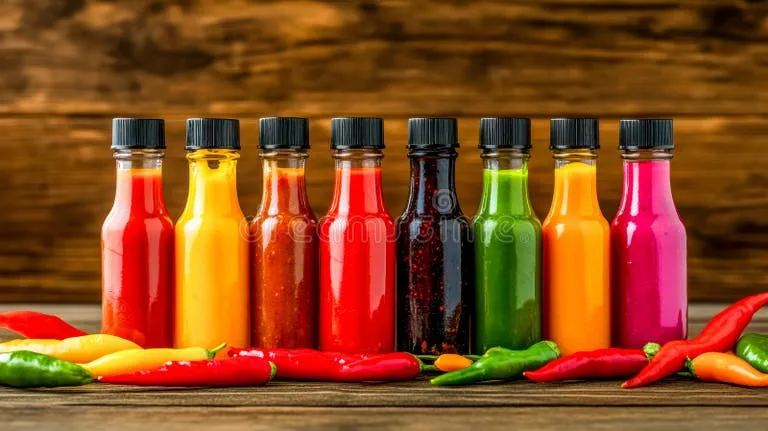
Photo: artisan hot sauce bottles lined up on wooden shelf with natural light, via thumbs.dreamstime.com
You spend a Sunday afternoon coaxing a beautiful batch of roasted pepper sauce into existence. The color is stunning, the flavor is layered and alive, and you're genuinely proud of it. Two weeks later, you open the jar and something's off — dull color, flat taste, maybe a suspicious film creeping around the rim. Meanwhile, that small-batch hot sauce you picked up at a farmers market is still going strong two months in.
What gives?
The answer isn't some industrial secret locked away in a food lab. It's a combination of chemistry, technique, and a few fundamental decisions made early in the process — decisions that commercial producers (and serious artisan brands) make deliberately, and that home cooks usually don't think about until something goes wrong.
Let's break it down.
The Real Role of Salt — It's Doing More Than You Think
Salt is the oldest preservative on earth, and there's a reason it's still the backbone of most long-lasting condiments. But the key isn't just adding salt — it's hitting a specific concentration that actually inhibits microbial growth.
In a professional sauce kitchen, salt concentration is measured, not eyeballed. Most shelf-stable fermented hot sauces, for example, are built on a 2–3% brine by weight during fermentation, which creates an environment where beneficial lactobacillus bacteria outcompete harmful pathogens. After fermentation, the finished pH and salt level together determine how long that sauce is actually safe and flavorful.
Home cooks tend to season to taste, which is fine for dinner — but it's not a preservation strategy. If you want your sauces to last, start weighing your salt and aiming for those established ratios rather than relying on your palate alone.
pH Is the Invisible Gatekeeper
Acidity is the other major lever in sauce preservation, and it works in tandem with salt. Most harmful bacteria — including the ones that cause foodborne illness — struggle to survive in environments with a pH below 4.6. That's why vinegar-forward condiments like classic American hot sauces and most mustards have such a long shelf life without refrigeration.
Commercial producers test pH obsessively. Some artisan brands invest in a simple digital pH meter — a piece of equipment that costs under $30 and changes everything about how you approach sauce safety.
The practical takeaway: if you're making a sauce you want to last, lean into your acidic ingredients. Vinegar, citrus juice, and fermented bases all push your pH in the right direction. And don't just add a splash — add enough that it's actually doing preservation work, not just flavoring.
Emulsifiers: The Reason Commercial Sauces Stay Beautiful
Ever notice how a restaurant-made aioli or commercial barbecue sauce maintains that glossy, cohesive texture for weeks, while your homemade version separates into an oily mess after a few days? That's emulsification at work — or breaking down.
Emulsifiers are molecules that bond with both oil and water, keeping them suspended together rather than separating. In commercial kitchens and artisan production, common natural emulsifiers include egg yolk lecithin, mustard, and honey. Some producers use xanthan gum, which is derived from fermentation and is about as natural as it gets.
You don't need to go synthetic to get this right at home. A teaspoon of Dijon mustard whisked into a vinaigrette-style sauce does double duty — it adds flavor and keeps the emulsion stable longer. For creamy sauces, egg yolk is your friend. These aren't workarounds; they're the same tools the pros use.
The Packaging Problem Nobody Talks About
Here's something that rarely comes up in home cooking discussions: the container you use matters enormously, and not just for aesthetics.
Commercial condiment producers fill their bottles hot and seal them under controlled conditions, which creates a partial vacuum that slows oxidation and microbial growth dramatically. Some use nitrogen flushing — replacing the oxygen in the headspace of the jar with inert nitrogen before sealing — which is why that fancy artisan hot sauce you ordered online tastes remarkably fresh when it arrives.
At home, you can approximate hot-fill canning methods using proper mason jar technique. The USDA has clear guidelines on this, and following them (including proper processing times in a water bath) can extend your sauce's shelf life from weeks to well over a year. It's not complicated, but it does require doing it right — half-measures here are where things go sideways.
Also worth noting: dark glass beats clear glass, and glass beats plastic for anything you're storing longer than a month. Light and oxygen are flavor killers, and plastic is more permeable than most people realize.
Water Activity: The Metric You've Probably Never Heard Of
Professional food scientists talk about something called water activity — essentially, how much free water is available in a product for microbial growth. It's different from moisture content. A sauce can be quite wet and still have low water activity if enough of that moisture is bound up by salt, sugar, or other solutes.
This is why thick, reduced sauces with high sugar or salt content last longer than thin, fresh ones. When you reduce a sauce down, you're not just concentrating flavor — you're lowering water activity and making life harder for the bacteria you don't want.
The practical application: don't be afraid to cook your sauces down further than you think you need to. That extra time on the stove pays dividends in the jar.
Bringing It Home Without Selling Out
None of this means you need to load your sauces with artificial preservatives or sacrifice what makes homemade condiments worth making in the first place. The whole point is that the techniques commercial producers use aren't inherently industrial — they're rooted in the same chemistry that's kept fermented and preserved foods alive across cultures for thousands of years.
Start with a digital pH meter. Weigh your salt. Use natural emulsifiers intentionally. Learn basic hot-fill canning. Store in dark glass. These aren't compromises — they're upgrades.
The artisan sauces that earn a permanent spot on people's tables aren't just better-tasting than the supermarket stuff. They're built smarter. And the gap between a sauce that lasts two weeks and one that holds its character for three months isn't about equipment or resources — it's about knowing which decisions actually matter.
Now you know.