Seven Sauces That Turn Skeptics Into Believers (And Why Each One Works)
Every sauce enthusiast has someone in their life who "doesn't really do condiments." Maybe it's a partner who pushes the sauce to the side. A friend who sticks to ketchup and calls it a day. A parent who thinks homemade hot sauce sounds like a project gone wrong.
Here's what's worth knowing: those people aren't wrong about the sauces they've rejected. They're just describing specific experiences with specific flavors. The goal isn't to convince someone to like sauces in general — it's to find the one that makes them forget they ever said they didn't.
These seven styles have an unusually high conversion rate. Here's why each one works, and how to make a beginner-friendly version.
1. Brown Butter Sauce
Why it converts: Brown butter is the gateway drug of the sauce world. It tastes like something familiar — butter — but elevated in a way that feels almost luxurious. The Maillard reaction that turns butter from pale yellow to golden-brown creates hundreds of nutty, caramel-like compounds that are genuinely hard to dislike. There's no challenging flavor to overcome. It's just butter that became its best self.
Beginner recipe: Melt 4 tablespoons of unsalted butter in a light-colored pan over medium heat. Swirl gently as it foams. When the foam subsides and the solids at the bottom turn golden-brown, remove from heat immediately. Add a squeeze of lemon and a pinch of salt. Serve over pasta, fish, roasted vegetables, or anything that needs richness.
The conversion story: Brown butter sauce is often the first thing that makes skeptics say, "Wait, this is a sauce?" It doesn't announce itself. It just makes everything taste better.
2. Honey-Garlic Glaze
Why it converts: Sweet and savory combinations are among the most universally accepted flavor pairings across cultures. Honey provides immediate sweetness, garlic adds savory depth, and together they create an umami-forward glaze that hits the reward centers of the brain hard. This is also a sauce that visually signals deliciousness — glossy, caramelized, and golden on proteins or vegetables.
Beginner recipe: Combine 3 tablespoons honey, 3 minced garlic cloves, 2 tablespoons soy sauce, and 1 tablespoon rice vinegar in a small saucepan. Simmer for 3–4 minutes until slightly thickened. Brush onto chicken thighs or salmon in the last few minutes of cooking.
The conversion story: This is the sauce that makes people realize condiments don't have to be complicated. The ingredient list is short, the technique is nearly impossible to mess up, and the results look like something from a restaurant.
3. Romesco
Why it converts: Romesco is a Spanish roasted red pepper and almond sauce with a flavor profile that's almost universally appealing — smoky, nutty, slightly sweet, and rich without being heavy. It's also visually striking: a deep terracotta color that looks like it took serious effort even when it didn't. For people who think homemade sauces are bland or one-dimensional, romesco is a revelation.
Beginner recipe: Blend 1 jar of roasted red peppers (drained), 1/3 cup toasted almonds, 2 garlic cloves, 2 tablespoons sherry vinegar, 1 teaspoon smoked paprika, and 1/4 cup olive oil until mostly smooth. Season with salt. Serve with grilled chicken, roasted vegetables, or as a dip.
The conversion story: Romesco is the sauce that people ask about at dinner parties. It tastes like something that required skill, even though the entire process takes about ten minutes.
4. Classic Green Herb Sauce
Why it converts: Fresh herb sauces — think chimichurri, salsa verde, or a simple parsley-garlic oil — appeal to people who think they don't like sauces because they taste clean. There's no heaviness, no mystery ingredient, no challenging funk. Just the bright, grassy flavor of fresh herbs with acid and oil. For skeptics who've been burned by overly complex or aggressive sauces, this is a reset.
Beginner recipe: Pulse 1 cup fresh parsley, 2 garlic cloves, 2 tablespoons red wine vinegar, 1/2 teaspoon red pepper flakes, and 1/3 cup olive oil in a food processor until combined but still a little chunky. Salt to taste. Serve immediately over steak, grilled shrimp, or roasted potatoes.
The conversion story: This is the sauce that makes people say, "I could eat this on everything." The freshness is immediate and impossible to argue with.
5. Miso-Ginger Dressing
Why it converts: Miso is one of the most accessible fermented ingredients for American palates, largely because of its presence in Japanese restaurants that most people have visited. A miso-ginger dressing packages that familiar umami depth into a format that feels light and healthy — not challenging or adventurous. It's a backdoor into fermented flavors for people who think they're not ready for them.
Beginner recipe: Whisk together 2 tablespoons white miso, 1 tablespoon rice vinegar, 1 tablespoon sesame oil, 1 teaspoon freshly grated ginger, 1 teaspoon honey, and 2 tablespoons warm water until smooth. Drizzle over salads, grain bowls, or grilled salmon.
The conversion story: This is the sauce that makes people realize they've actually been eating fermented flavors all along — they just didn't know it.
6. Whipped Feta with Chili Honey
Why it converts: This isn't a sauce in the traditional sense, but it functions like one — a creamy, salty base with a sweet-heat drizzle that hits multiple flavor notes simultaneously. The contrast between the cool, tangy feta and the warm honey activates the same pleasure response as sweet-and-salty snack foods, which means it bypasses skepticism almost entirely. People eat it before they've decided whether they like it.
Beginner recipe: Blend 8 oz feta with 2 tablespoons cream cheese and a splash of olive oil until smooth and creamy. Spread on a plate. Drizzle with honey mixed with a pinch of cayenne and red pepper flakes. Serve with warm pita or as a base for roasted vegetables.
The conversion story: This is the one that gets photographed and shared. The visual appeal alone does half the conversion work.
7. Calabrian Chili Relish
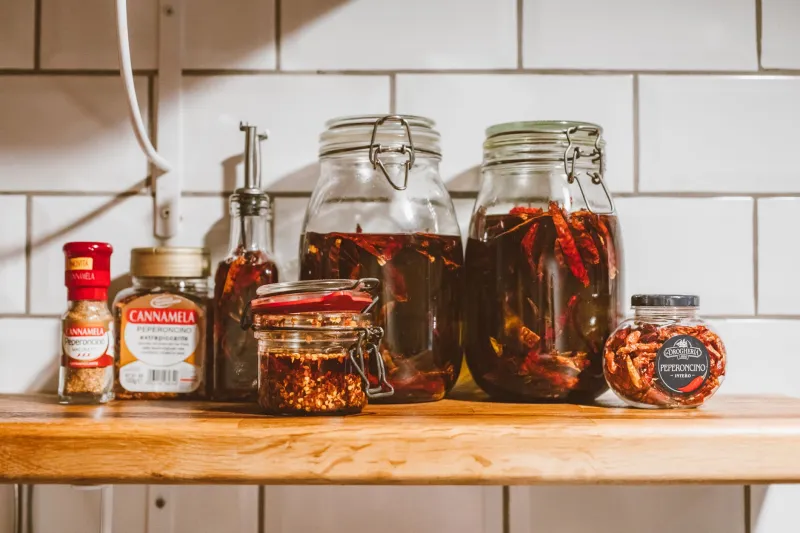
Why it converts: Calabrian chilies — imported from southern Italy and increasingly available at Whole Foods, Trader Joe's, and specialty grocers across the US — have a fruity, slightly smoky heat that's more approachable than raw jalapeño but more interesting than standard crushed red pepper. A simple relish made from them introduces heat-skeptics to the idea that spicy can also be complex and nuanced rather than just painful.
Beginner recipe: Roughly chop 4–5 Calabrian chilies (from a jar packed in oil). Combine with 2 tablespoons of the packing oil, 1 minced garlic clove, and a squeeze of lemon. Stir together and let sit for 15 minutes. Spoon over pizza, eggs, pasta, or grilled meats.
The conversion story: This is the sauce that makes people realize heat doesn't have to be a challenge — it can be a pleasure. Once someone understands that distinction, they're usually ready to explore further.
The pattern across all seven of these sauces isn't accidental. They all share a few key traits: they're accessible without being boring, they're visually appealing, and they work on foods that people already enjoy. The best gateway sauce isn't the most impressive one — it's the one that makes someone think, I could make this, and then actually does.