Start With the Sauce: A Smarter Way to Plan Meals You'll Actually Look Forward To
Conventional meal planning goes something like this: decide you want chicken on Tuesday, figure out a vegetable, then scramble for something to put on top. The sauce is an afterthought. It's the last thing you think about and often the first thing you skip when you're tired or short on time.
What if you reversed that entirely?
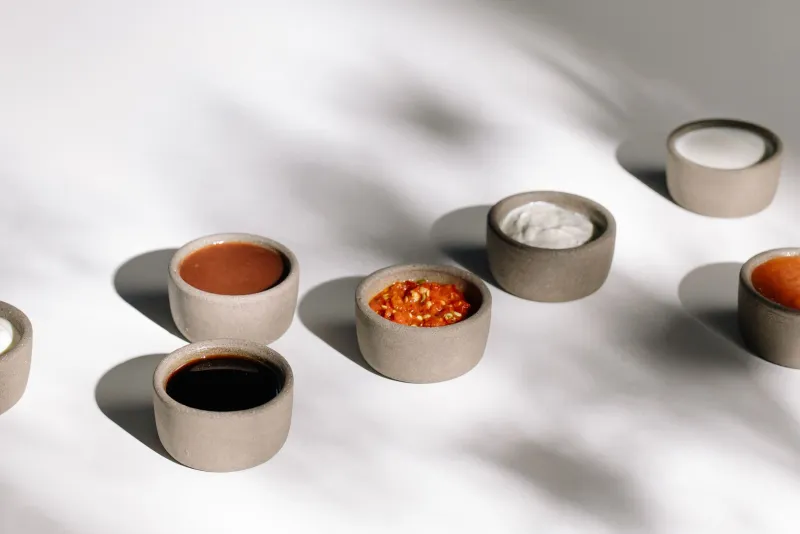
Sauce-first meal planning starts with the condiment — something you've made, something you've bought, or something you've been wanting to try — and builds the rest of the week's meals outward from there. It sounds like a small shift, but it changes your whole relationship with cooking. When the most interesting element is already decided, building a meal around it becomes a lot easier and a lot more fun.
Why This Works Better Than It Sounds
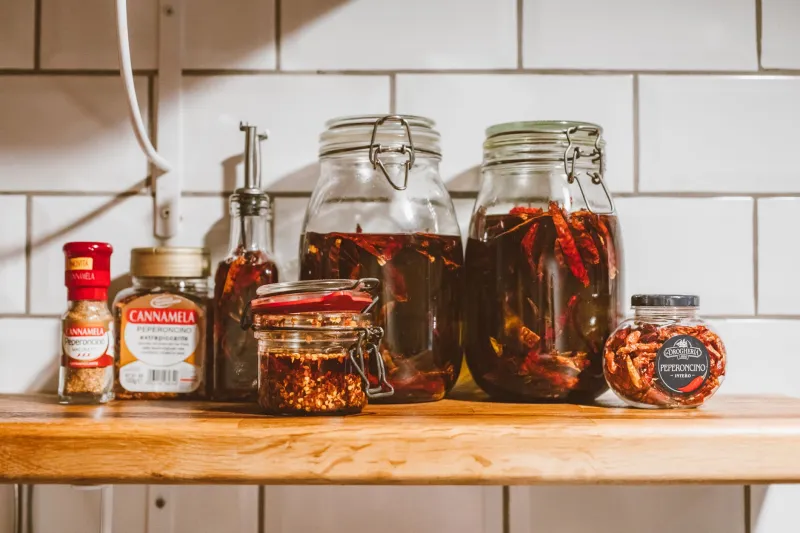
Sauces are flavor infrastructure. They carry seasoning, acid, fat, and often umami in a single spoonful. When you have a great sauce on hand, the proteins and vegetables you pair with it don't need to carry as much weight. A piece of roasted chicken is fine. A piece of roasted chicken with a jar of homemade calabrian chili relish sitting on the counter is dinner.
This approach also solves one of the most common problems with making sauces from scratch: you spend two hours on something delicious and then use it once. Sauce-first planning forces you to think through multiple applications before you even make the sauce, so you're building it with a full week of meals in mind.
And practically speaking, it reduces decision fatigue. When Tuesday comes around and you're tired, you already know the sauce. That's the hard part done.
Choosing Your Anchor Sauce
Not every sauce works equally well as a week-long anchor. You want something that:
- Can be made in a reasonable batch (at least a cup, ideally more)
- Plays well with at least three different proteins or base ingredients
- Holds well in the fridge for 5–7 days (or longer if preserved)
- Has enough flavor range to feel different across multiple applications
Good anchor sauces include: romesco, gochujang-based glazes, green goddess, miso-ginger, harissa, classic tomato with variations, and any well-built vinaigrette with enough body to double as a marinade.
Weaker anchor choices: anything avocado-based (browns quickly), super delicate herb oils (fade fast), and highly specialized sauces that only pair with one thing.
A Real Week Built Around One Sauce
Let's use romesco as the example — a Spanish-style roasted red pepper and almond sauce that's deeply savory, slightly smoky, and works across a huge range of applications.
Sunday (make the sauce): Roast peppers and tomatoes, blend with almonds, garlic, sherry vinegar, and smoked paprika. This is also dinner night — serve romesco over grilled shrimp with crusty bread. Use about a third of the batch.
Monday: Toss roasted cauliflower and chickpeas in romesco, serve over farro. The sauce acts as both a dressing and a flavor base. Ten minutes of active cooking.
Wednesday: Use romesco as a spread on a flatbread with roasted zucchini and crumbled feta. This is your fast weeknight meal — fifteen minutes start to finish because the sauce is already done.
Friday: Thin the remaining romesco with a little pasta water and toss with spaghetti, a handful of arugula, and a soft-boiled egg. The sauce transforms completely in this application — lighter, more integrated, almost unrecognizable from Sunday's version.
One sauce, four meals, zero repetition in how it tastes or feels on the plate.
A Simple Pairing Framework
Different sauce styles have natural affinities that make this planning process faster. Here's a quick reference:
Bright, acid-forward sauces (chimichurri, salsa verde, preserved lemon vinaigrette) → pair with fatty proteins (lamb, pork belly, salmon), grain bowls, and roasted root vegetables
Rich, nutty sauces (romesco, tahini-based, peanut) → pair with lean proteins (chicken breast, tofu, white fish), cruciferous vegetables, and noodles
Fermented and funky sauces (gochujang, miso glaze, fish sauce caramel) → pair with beef, mushrooms, eggs, and anything that needs umami amplification
Creamy, herb-forward sauces (green goddess, yogurt-herb, ranch variations) → pair with raw or lightly cooked vegetables, grilled proteins, and as sandwich spreads
Keep this somewhere visible when you're planning. It makes the anchor-to-meal translation much faster.
Batch Sizing and Storage Strategy
Sauce-first planning only works if you make enough sauce. A common mistake is making a small batch, using it once, and then not having enough to anchor the rest of the week.
For most sauces, plan on making 1.5 to 2 cups for a week of four people's meals. This gives you enough to use generously without rationing. Store in a glass jar with a tight lid, pushed to the back of the fridge where temperatures are most consistent.
For sauces with fresh herb components, consider storing a base without the herbs and adding them fresh each time you use it. This extends the sauce's useful life by several days.
If you're making a sauce that freezes well (tomato-based, most nut-based sauces, miso glazes), double the batch and freeze half in ice cube trays. You'll have instant anchor sauces ready for future weeks without any planning required.
Getting the Rest of Your Household On Board
One thing that makes sauce-first planning stick is involving whoever else eats at your table in the sauce selection. Ask what sounds interesting at the start of the week rather than presenting a finished meal plan. When someone has a say in the anchor sauce, they're more invested in the meals built around it.
This is also a useful approach with picky eaters, especially kids. Letting them pick a sauce — even something simple like a honey mustard or a teriyaki-style glaze — gives them ownership over the week's meals and makes them more likely to eat what's served.
The goal isn't to make sauce the main character of every conversation at your table. It's to make the cooking process feel less like a chore and more like a series of small, interesting decisions that build on each other. Start with the sauce. The rest follows.