12 Pantry Ingredients That Do the Work of 50 Sauce Bottles
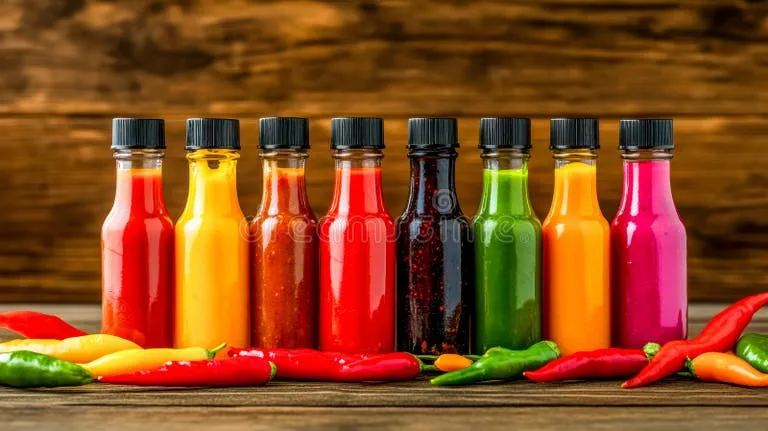
Walk into any well-stocked American grocery store and you'll find an entire aisle dedicated to bottled sauces. Teriyaki, hoisin, enchilada, Worcestershire, buffalo, stir-fry, tamarind glaze — the list goes on. And honestly, most of those bottles are doing one job. One dish. One cuisine. Then they sit in your fridge door for eight months until you throw them out half-full.
There's a smarter way to do this.
The cooks who make the best sauces at home aren't working with more — they're working with better. A carefully chosen set of core ingredients can generate an almost ridiculous range of flavor profiles. You stop stocking for recipes and start stocking for potential. That shift changes everything.
Here are the 12 pantry staples worth building your sauce-making foundation around, and what each one actually unlocks for you.
1. A Quality Neutral Oil (Avocado or Grapeseed)
Skip the cheap vegetable oil. Avocado oil has a high smoke point and a clean flavor that won't compete with your other ingredients. Use it as the base for emulsified sauces, chili oils, and herb-forward condiments. It's your blank canvas.
2. Toasted Sesame Oil
This one's non-negotiable if you want to make anything with East Asian flavor roots. A small drizzle finishes a peanut sauce, deepens a ginger-scallion oil, or rounds out a dumpling dipping sauce. Buy dark, toasted sesame oil — not the light stuff — and use it as a finishing element rather than a cooking fat.
3. Soy Sauce (or Tamari for Gluten-Free Kitchens)
Soy sauce is one of the most versatile umami bombs in existence. It's the backbone of teriyaki, the salt element in Korean BBQ marinades, and a secret depth-builder in barbecue sauces and braising liquids. A good bottle of naturally brewed soy sauce — look for brands without added caramel coloring or corn syrup — will serve you across dozens of recipes.
4. Fish Sauce
If soy sauce is the workhorse, fish sauce is the specialist. A small amount adds a savory depth that's hard to place but impossible to ignore. It shows up in Vietnamese nuoc cham, Thai peanut sauces, and Southeast Asian chili pastes. It also works quietly in Western contexts — a few drops in a Caesar dressing or a tomato-based sauce adds complexity without tasting remotely fishy.
5. Apple Cider Vinegar
Acid is what separates a flat sauce from one that pops. Apple cider vinegar is your most flexible option — it's less harsh than white distilled vinegar and more rounded than red wine vinegar. Use it to balance sweetness in a barbecue sauce, add brightness to a honey mustard, or create the tangy backbone of a Carolina-style finishing sauce.
6. Tamarind Paste or Concentrate
This is the ingredient that separates home cooks who've been paying attention from those who haven't. Tamarind brings a sweet-sour depth that's central to Worcestershire sauce, pad Thai, chutneys, and Mexican adobo-style preparations. A single jar of tamarind concentrate replaces several specialty bottles and keeps for months in the fridge.
7. Miso Paste (White or Red)
Miso is fermented soybean paste, which means it's already doing the heavy lifting for you. White miso is mild and slightly sweet — perfect for salad dressings, compound butters, and light glazes. Red miso is earthier and more intense, great for heartier braises and bold marinades. Either one adds that slow-built umami that takes a sauce from good to genuinely memorable.
8. Dried Chiles (Ancho, Guajillo, or Chipotle in Adobo)
Fresh chiles are great, but dried or canned chiles are your sauce pantry's secret weapon. Ancho and guajillo are mild and complex — toast them, rehydrate them, and blend them into a red sauce that beats anything in a jar. Chipotle in adobo adds smoke and heat instantly. These three alone open up the entire world of Mexican and Tex-Mex sauce-making.
9. Tomato Paste
Not crushed tomatoes. Not marinara. Paste. Concentrated, deeply flavored, and shelf-stable, tomato paste is what gives barbecue sauces their body, gives shakshuka its backbone, and gives a quick pan sauce its color and richness. Brown it in a little oil before adding liquid and you'll unlock a roasted depth that no bottled sauce can replicate.
10. Dijon Mustard
Dijon is an emulsifier, a flavor agent, and a sauce-starter all in one. It holds vinaigrettes together, gives a honey mustard glaze its kick, and adds sharpness to cream sauces. Keep a jar of good Dijon in your fridge and you've got an anchor for at least a dozen condiments.
11. Honey (Raw or Wildflower)
Sweetness in a sauce isn't about dessert — it's about balance. Honey adds sweetness with complexity, unlike refined sugar. It caramelizes beautifully in glazes, rounds out heat in hot sauces, and brings everything together in Asian-inspired dipping sauces. A jar of good wildflower honey from a local source is worth the extra few dollars.
12. Garlic (Fresh and in Paste Form)
Yes, garlic is obvious. But the way you use it matters enormously. Raw minced garlic in a sauce is sharp and aggressive. Roasted garlic is sweet and mellow. Garlic paste blends seamlessly into emulsified sauces. Keep fresh heads on hand, but also consider keeping a tube of good quality garlic paste for quick weeknight builds.
How These 12 Ingredients Work Together
The real power here isn't in any single ingredient — it's in the combinations. Take soy sauce, sesame oil, ginger, and honey: that's a teriyaki glaze. Swap the honey for fish sauce and add lime juice and you're in nuoc cham territory. Pull the tamarind paste into the mix with some dried chiles and you've got the beginnings of a tamarind-chipotle dipping sauce.
This is what building a sauce pantry is actually about. Not collecting bottles for specific recipes, but stocking ingredients that talk to each other.
Once you understand what each of these twelve does functionally — where it adds acid, where it adds body, where it adds depth or heat or sweetness — you stop following sauce recipes and start writing your own.
A Few Things Worth Skipping
Not everything deserves pantry space. Pre-made stir-fry sauces, bottled teriyaki, jarred Alfredo, and most "all-purpose" seasoning sauces are doing jobs that your core twelve can do better and fresher. They're also loaded with stabilizers and sodium that make it harder to control the final flavor of your dish.
The goal isn't to be a purist. It's to stop paying three dollars for a quarter-cup of something you can make in five minutes with ingredients already on your shelf.
Start Small, Build Intentionally
You don't need to buy all twelve at once. Start with the ones that match the cooking you already do. If you love grilling, lead with apple cider vinegar, tomato paste, chipotle in adobo, and honey — that's a full barbecue sauce toolkit right there. If you cook a lot of Asian-inspired dishes, begin with soy sauce, sesame oil, fish sauce, and miso.
Layer in the others over time. Before long, you'll open your pantry and see possibilities instead of a checklist.
That's the whole point.